of Fine Arts and History
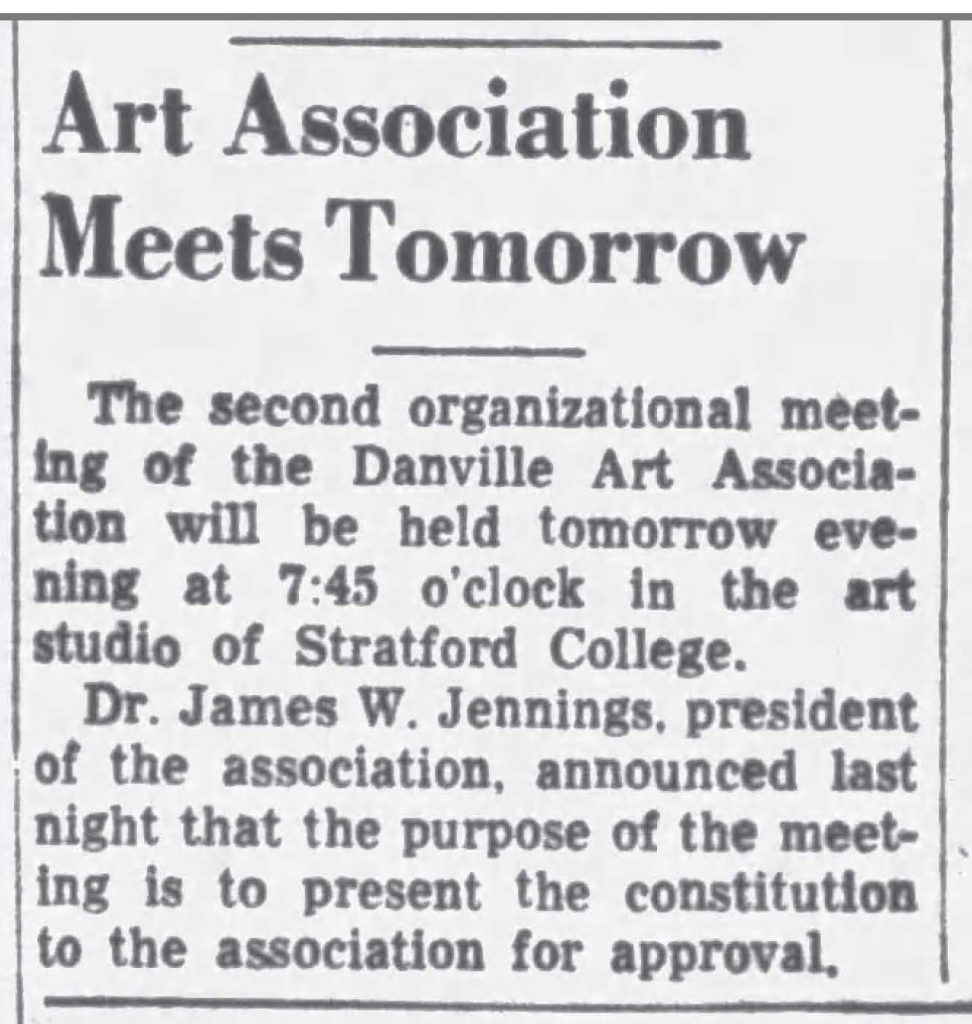
The Danville Museum of Fine Arts and History traces its roots to the 1950s. The organization hosted cultural events, workshops, lectures, plays, exhibitions, and educational programs at locations throughout Danville, including Stratford College, Averett, George Washington High School, and the Wednesday Club. In 1973, the museum signed a lease agreement with the City of Danville and began the restoration of the historic Sutherlin Mansion. The museum officially opened to the public in the mansion on October 15, 1974.
Today, the Danville Museum of Fine Arts and History is one of only two cultural museums in the region open to the public on a weekly basis. Housed in the historic Sutherlin Mansion, the museum holds a diverse collection of art—including paintings, photographs, sculpture, pottery, furniture, and historic artifacts. Visitors can tour the historic mansion, explore permanent and rotating exhibitions, attend lectures and performances, sign up for an art class, shop for local art and history items in the museum gift shop, or rent the facility for special events.
In addition to rotating art and history exhibitions, DMFAH maintains four permanent exhibits that visitors can experience year-round:
Why Art and Culture Matter
At DMFAH, we believe museums do more than enhance quality of life—they are essential to it. Art, history, and culture help communities grow, heal, and connect. They foster creativity, encourage dialogue, preserve shared stories, and create spaces where people of all backgrounds can come together. Yet the value of arts and culture is often overlooked.
Youth Art Education
DMFAH is the only organization in the region that supports children year-round through the combined lens of art, history, and culture. For many young people, creative spaces are more than enriching—they are essential. While some students connect through athletics, others discover confidence, purpose, and belonging through visual art, music, theater, and cultural experiences. Museums provide opportunities for creativity, self-expression, and critical thinking that can positively shape a child’s future. DMFAH strives to ensure that all children have access to the arts for these transformative experiences.
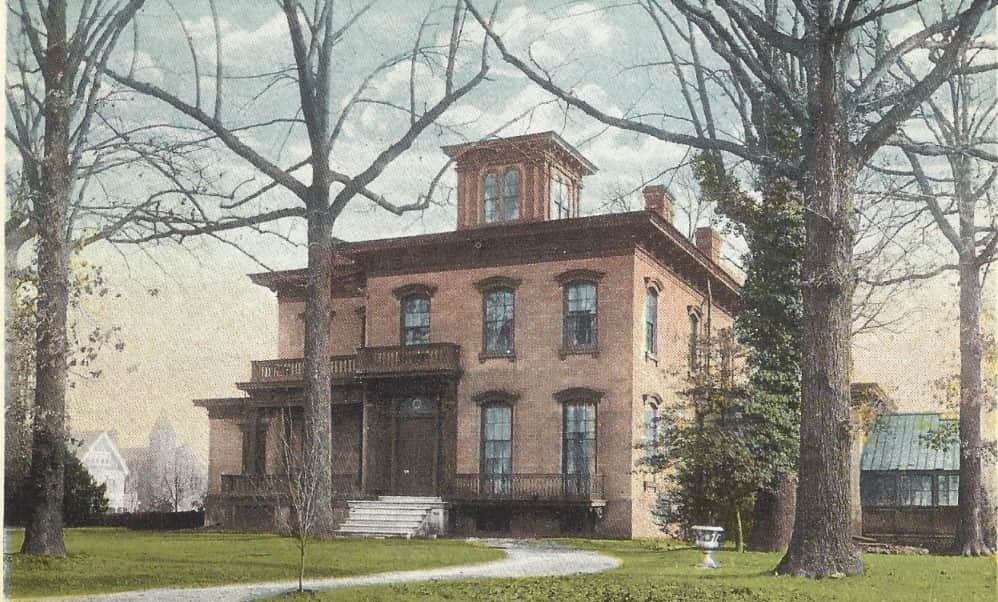
The museum is housed in the historic Sutherlin Mansion, an Italian Villa-style house built 1857-1859. Designated as a Virginia Historic Landmark and listed on the National Register of Historic Places, the mansion has played a significant role in local, state, and national history, including the history of tobacco and textiles, railroads and transportation, the Civil War, Reconstruction, Segregation, and the Civil Rights Era.
The Sutherlin property, a 4-acre urban plantation built for William and Jane Sutherlin, originally included the main house, a separate kitchen, laundry, dwelling for enslaved people, carriage houses, stables, and other accessory buildings.
At the close of the Civil War, Jefferson Davis and the Confederate cabinet fled Richmond and traveled to Danville by train. They stayed in the Sutherlin Mansion for eight days (April 3-10, 1865).
It was at the Sutherlin mansion that the last Confederate cabinet meeting was held. Jefferson Davis wrote the last Confederate proclamation while at the Sutherlin Mansion.
While in Danville, the cabinet learned that Lee had surrendered to Grant and the Civil War had ended. These events led to the mansion being known as the “Last Capital of the Confederacy.”
The city purchased the mansion from the Confederate Memorial Association in 1915. From 1918-1919, the Sutherlin Mansion was used as a temporary hospital for Spanish Influenza victims.
From 1928-1972 (44 years), the house served as Danville’s public, whites-only library. In 1960, a group of local Black students held a sit-in at the library to protest the city’s segregation policies. In response, a public referendum was held, and public officials chose to close the library rather than allow it to be integrated.
Due to its location in the “Last Capital of the Confederacy,” the sit-in was a symbolic event and a precursor to the nationally known Civil Rights protests of 1963 in Danville, which led Martin Luther King, Jr. to state that the Danville Police were the most violent in the nation.
Today, the museum is part of both the Civil War Trails and the U.S. Civil Rights Trail, connecting it to broader themes of American history.
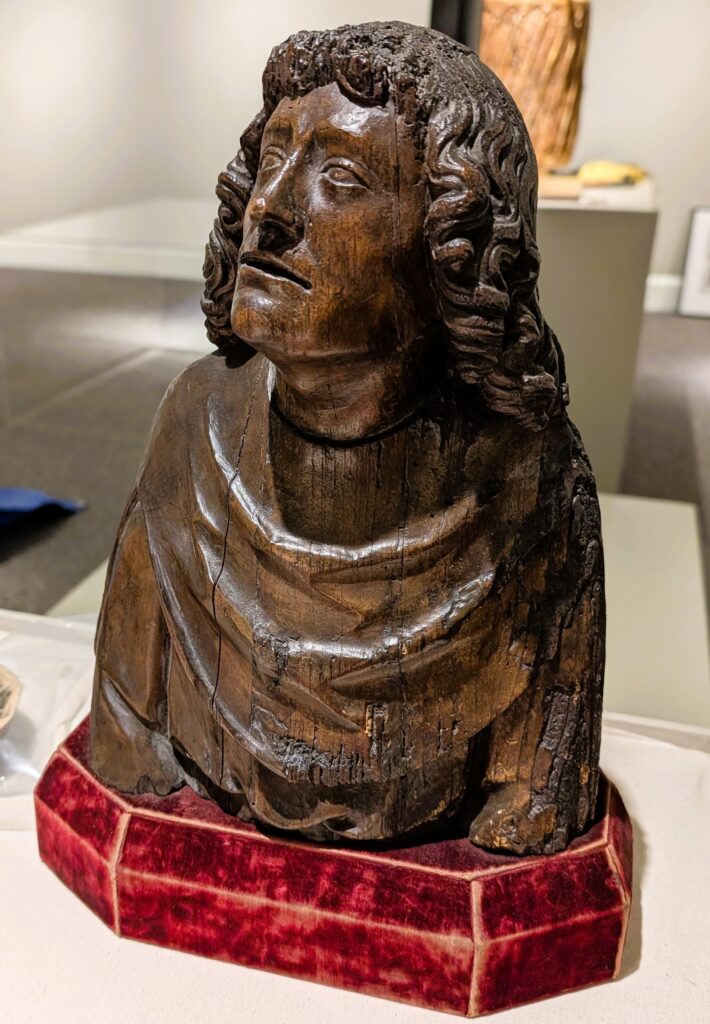
DMFAH’s collections include an impressive group of 19th and 20th-century artworks by outstanding American artists such as Maud Gatewood, Thomas Hart Benton, Carson Davenport, Howard Finster, Emmet Gowin, and William Garl Browne, Jr. Also included in the museum’s collections are the Kennedy-Revell Collection— a collection of 15th-century European paintings, furniture, textiles, China, silver, and sculpture and the Camilla Williams Collection—a significant collection of Camilla Williams’ opera costumes, memorabilia, and personal items.
The museum’s collections also include important documents and objects relating to the Sutherlin Family, local Civil Rights history, Civil War history, and local industrial (Tobacco and Textiles) history.
Extra text here
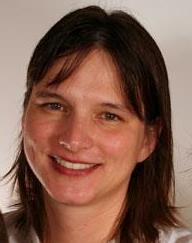
Sonja is responsible for coordinating and directing all museum operations and programming. Before joining DMFAH, Sonja worked for Preservation Virginia from 2008 to 2023 assisting individuals and organizations across the Commonwealth to preserve important historic places. She has a graduate degree in historic preservation from the University of Maryland.
During her time at Preservation Virginia, Sonja managed Preservation Virginia’s Most Endangered Historic Places List, the Preservation Academy, Preservation Awards, Preservation Virginia’s Rosenwald Schools Program, and Preservation Virginia’s Tobacco Barns Program.
Before joining Preservation Virginia, Sonja was the Assistant Director for the Archaeological Conservancy’s Eastern Regional Office in Frederick, Maryland. She also worked as a historic preservation planner for Frederick City government, and as a land preservationist for Loudoun County and Frederick County governments. Her archaeological experience also includes working for the National Forestry Service, Thomas Jefferson’s Poplar Forest, and cultural resource management firms in the southern United States, Mid-Atlantic, and Puerto Rico.
Sonja serves on several nonprofit advisory boards including the Southside African American Cemetery Preservation Society, the Pittsylvania Historical Society, Literacy Interactives, Inc., and Friends of the Old West End.
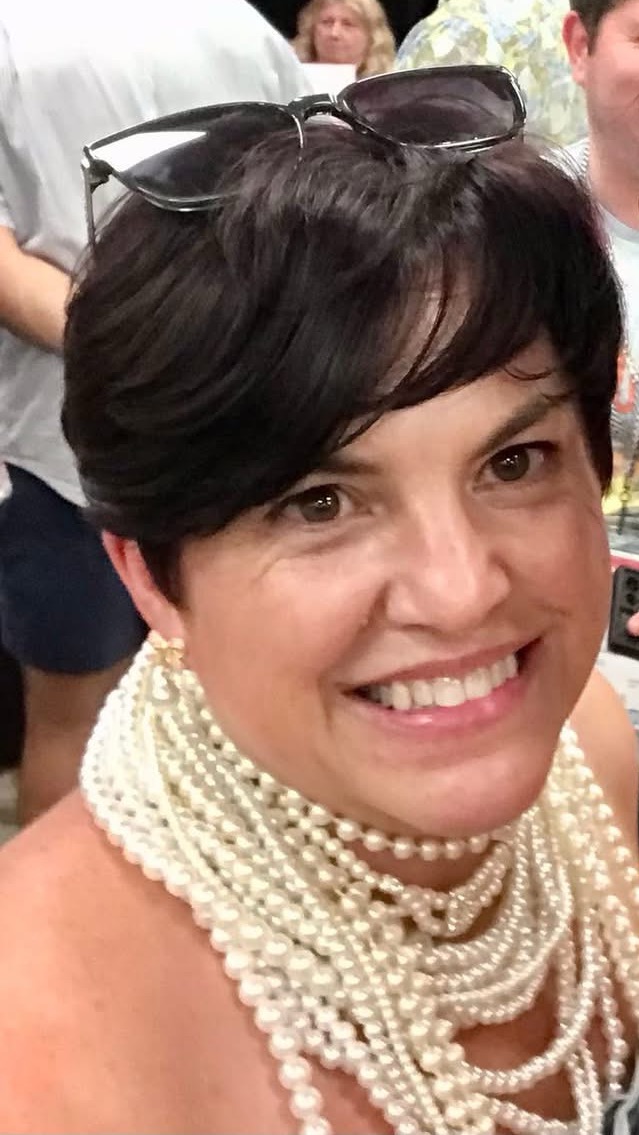
Casey Smith is a versatile management professional based in Chatham, Virginia, specializing in bridging creative vision within financial, digital and practical execution. With extensive experience in management and finance, Casey excels in the administration of large-scale budgets, cross-functional technical teams, and complex project lifecycles. Casey handles the daily accounts management for the bookkeeping as well as client management.

Berkley Pritchett is the museum’s Research Specialist. His duties involve performing research for programs and exhibits, assisting the Collections Manager, and providing first-rate customer service to museum visitors and members.
Berkley has always had an interest in history and the arts. Working at the Danville Museum of Fine Arts and History allows him to combine both of his interests. His job has also allowed him to learn more about his hometown and the surrounding area. In his free time, he likes to listen to music, watch movies, read, and write fiction.

As a museum services specialist, Heidi’s duties involve providing first-rate customer service to museum visitors and members, and supporting the public-facing aspects of museum operations such as the welcome desk, tours, programs, exhibits, events, and the gift shop.
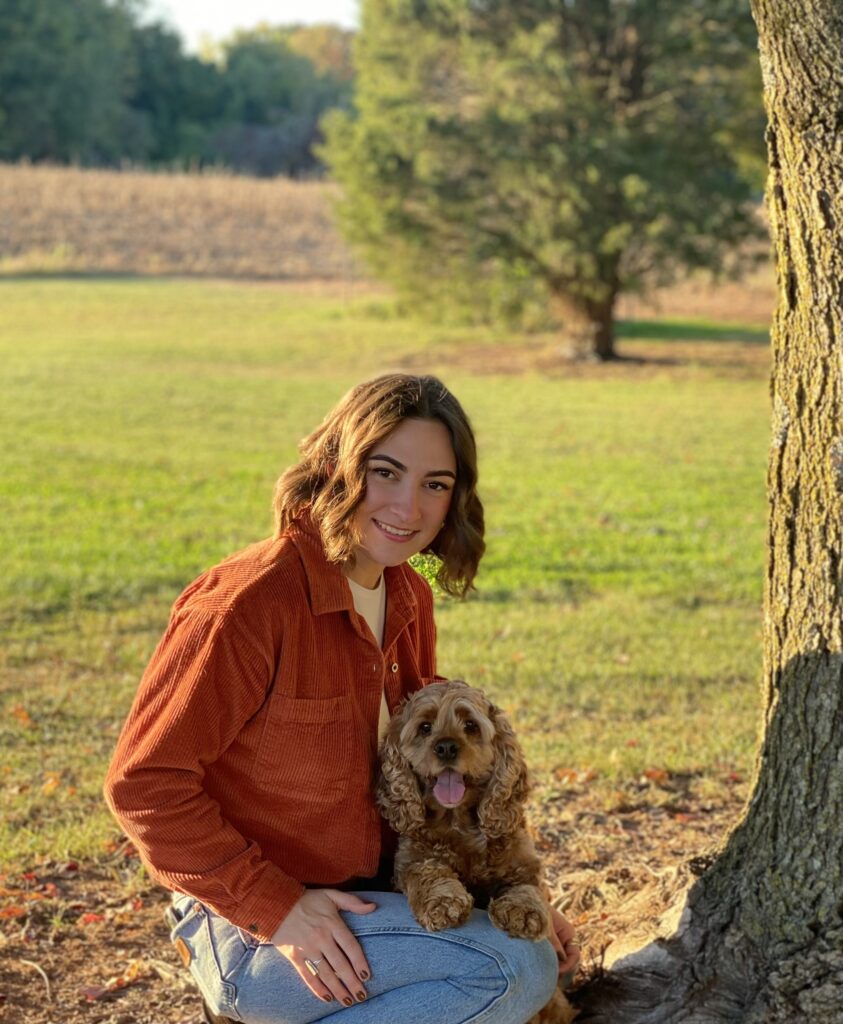
As the museum’s registrar and collection manager, Angela is responsible for the research, preservation, stewardship, and security of the museum’s history and art collections, as well as creating and maintaining records and documents relating to the museum’s permanent collection and loans. Angela also assists with research, creation, and installation of the museum’s exhibits.

As the museum’s education manager, Karan is responsible for Art Smart and other education programs in collaboration with the Danville and Pittsylvania County Head Start offices. These programs welcome hundreds of children each year. Karan also teaches art-themed summer camps each year.
Join a collaborative and creative team where your skills and enthusiasm will contribute to the growth of the museum and of you.